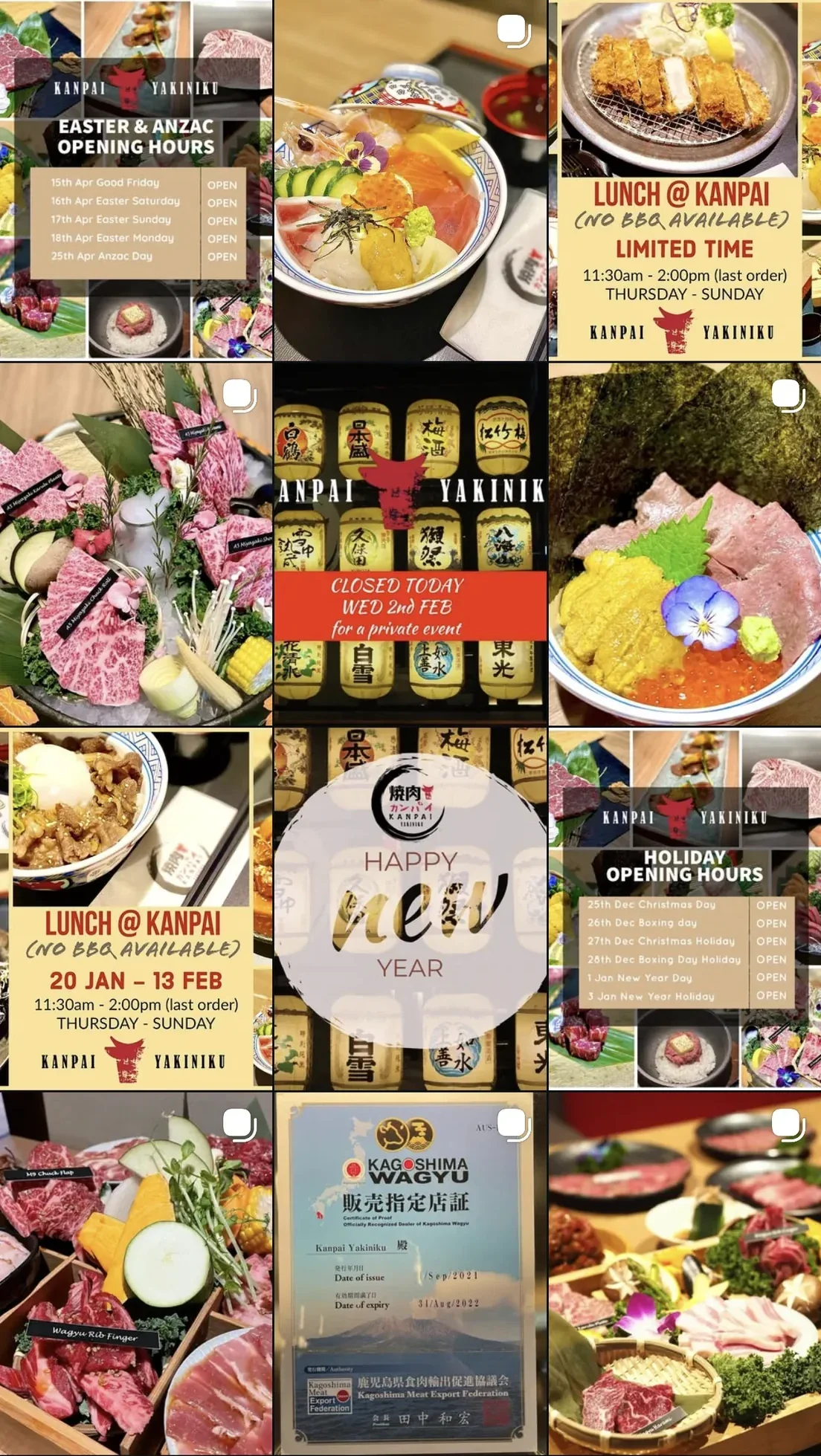
Kanpai is a Perth yakiniku restaurant built around premium wagyu and a slower, more deliberate way of eating. The food and the price point both sat above the category — but the content didn't. Posts were happening in-house, with care but no system, in a feed otherwise full of fast cuts and sizzling grills.
They came to us with a clear ask: elevate the online presence so it feels like what we serve. We saw a chance to do more than polish the posts — to define what Kanpai was actually selling, then build a system that could carry it.
Kanpai came to us with a simple brief: make the online experience feel like the one you have at the table. That meant going beyond better photos — it meant defining what Kanpai was actually selling, then building a visual and editorial system that could carry it.
Before we shot anything, we worked out what Kanpai needed to be known for. Not "wagyu" — every yakiniku spot in Perth says that. The actual difference was in the ritual: the pace, the precision, the skill behind each cut. We rebuilt the content strategy around that, not around the plate.
That gave us three things to build against — visual language, narrative, and a system to keep both consistent without relying on memory or motivation.
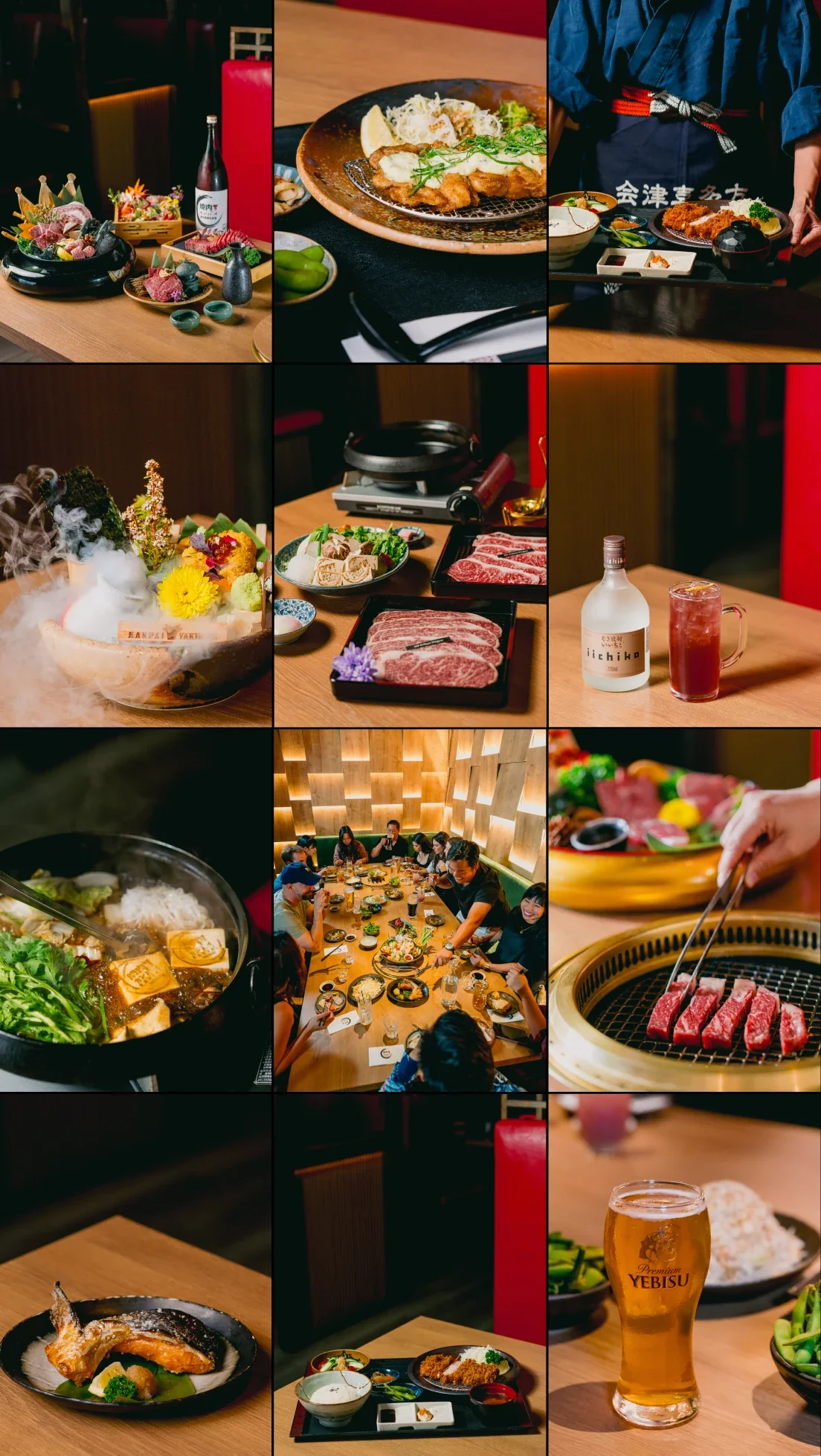
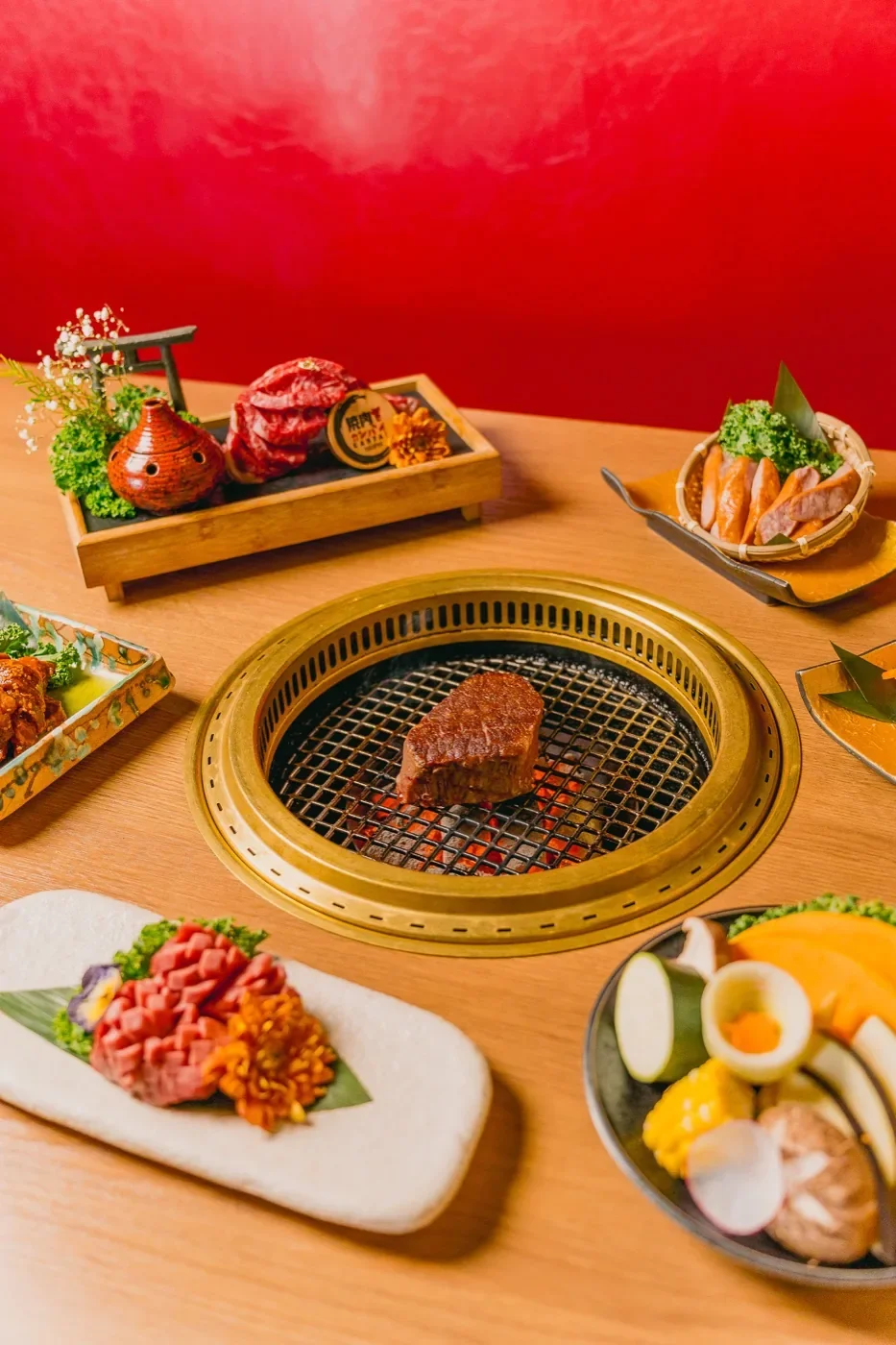
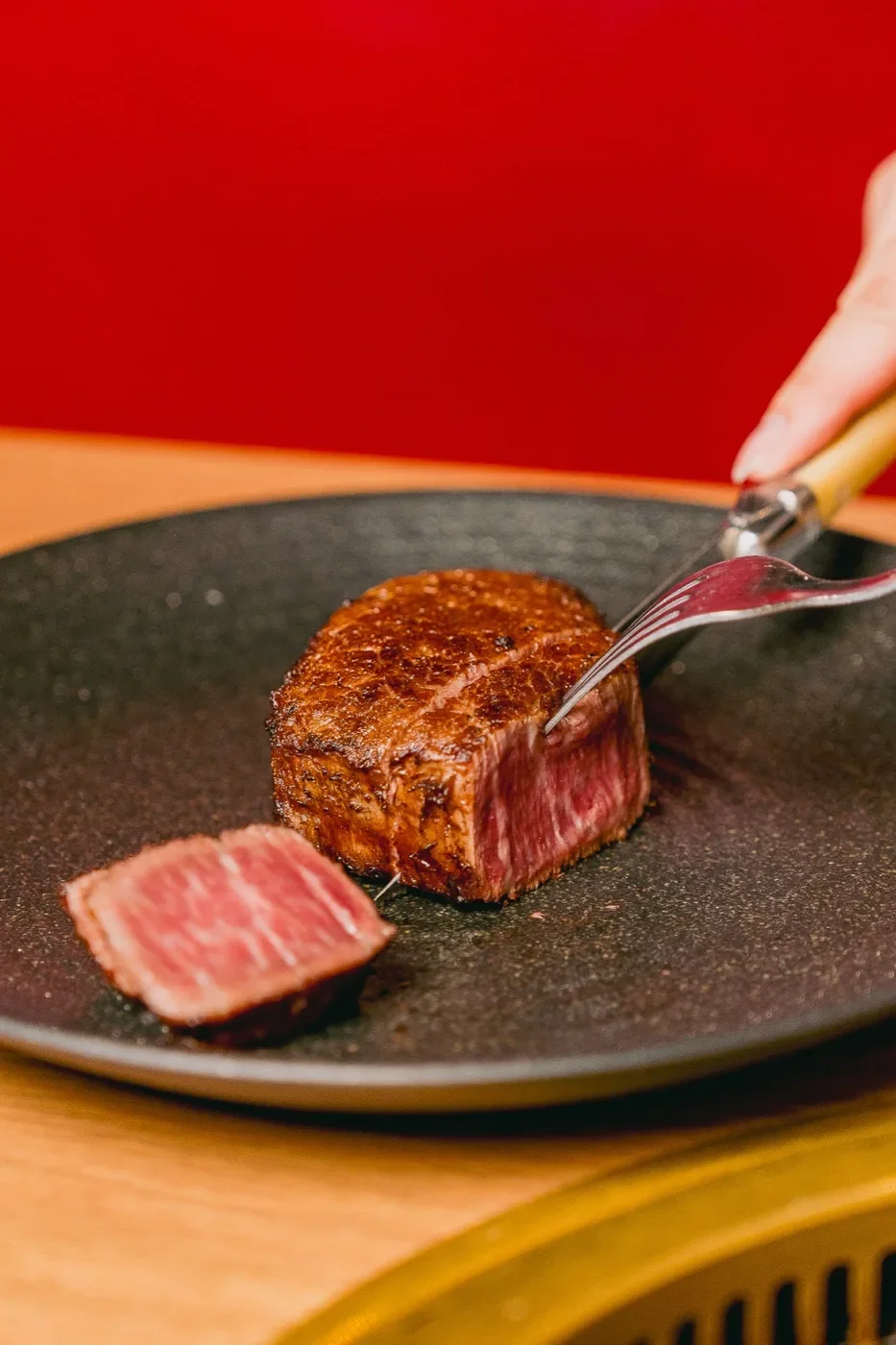
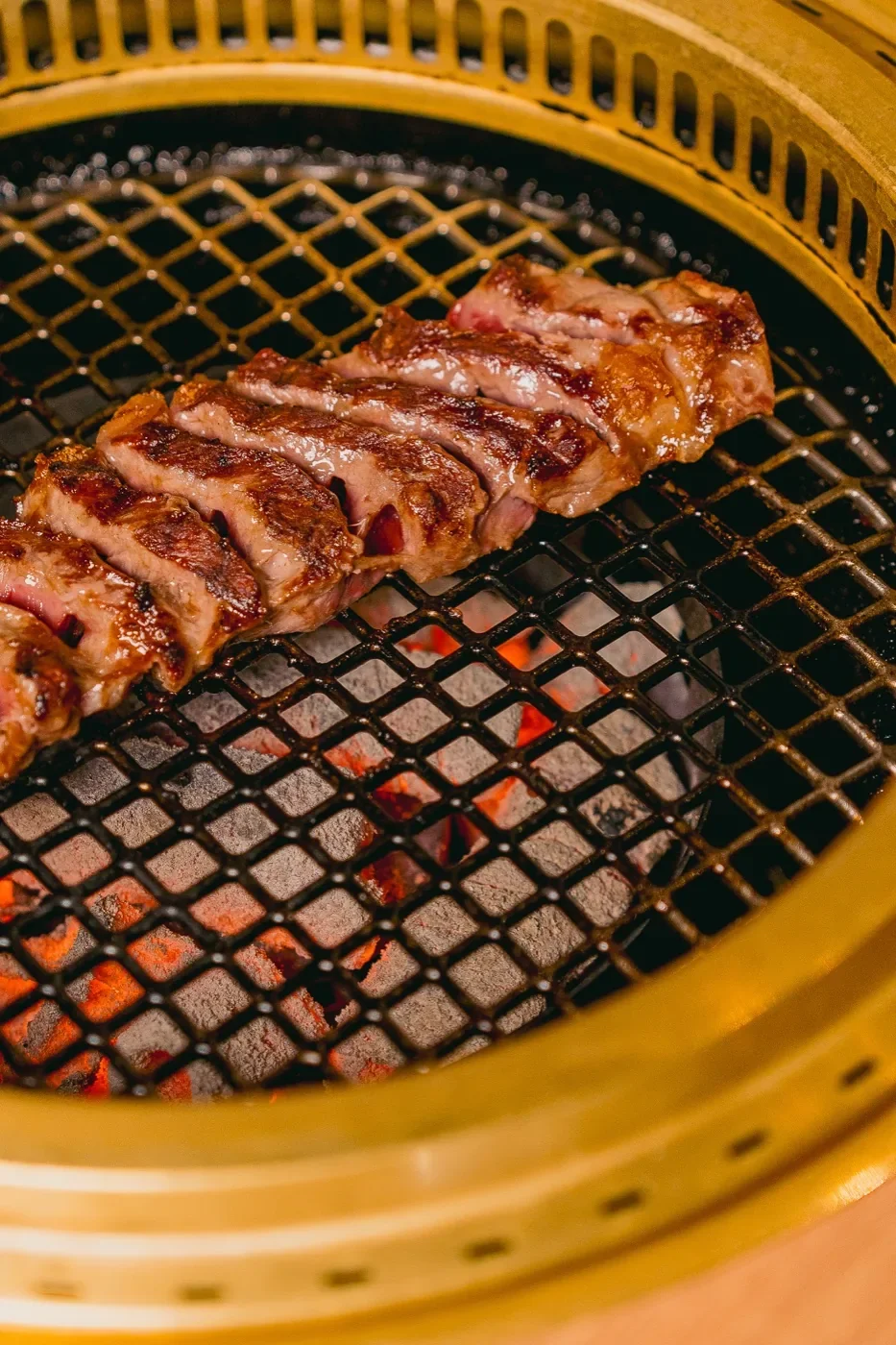
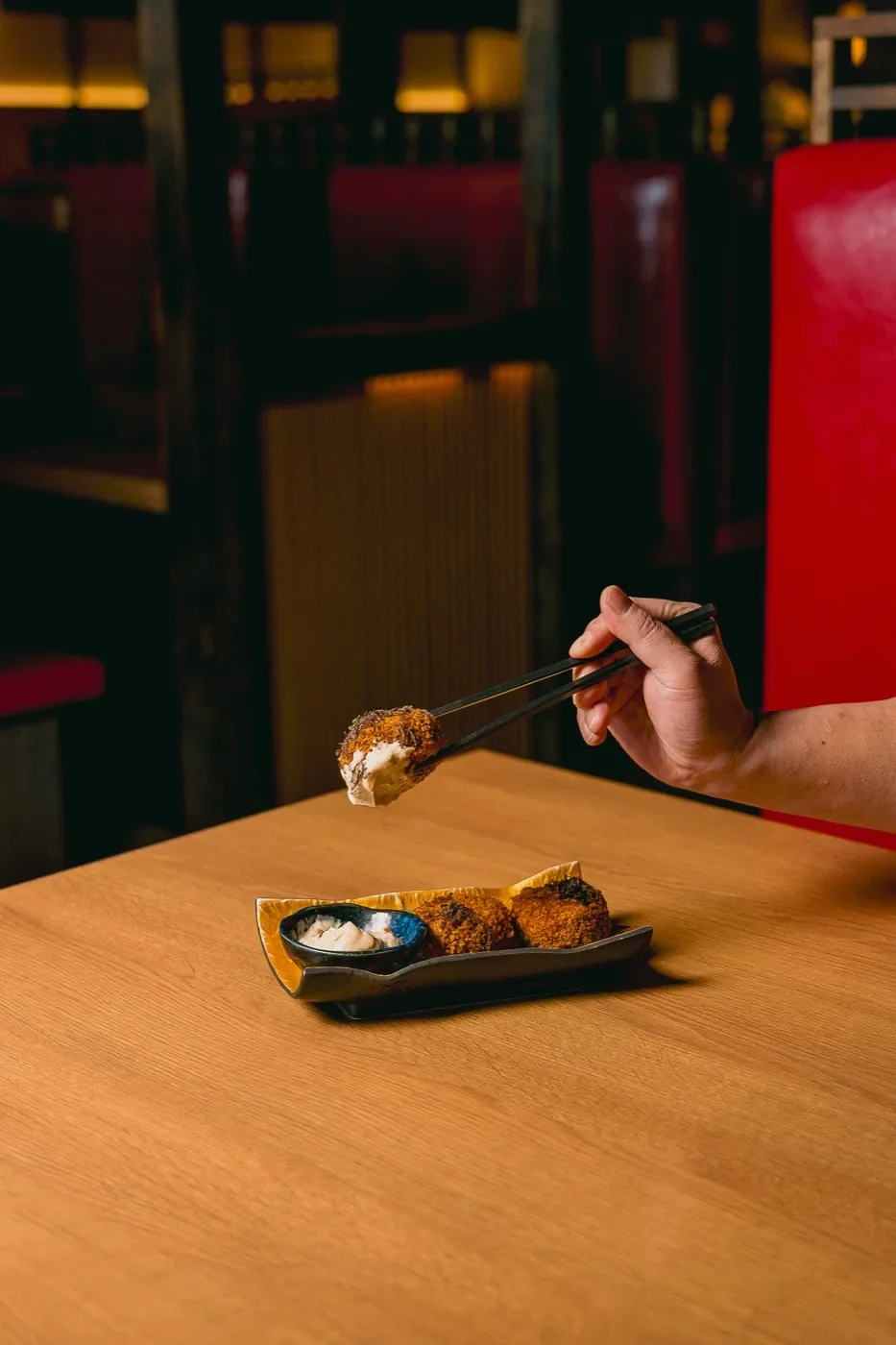
The category's visual default is bright, fast, and saturated — grills smoking, quick cuts, upbeat music. We went the other way. Cinematic lighting, real shadow, tighter framing. Slower edits that let a single shot hold.
It's a deliberate contrast to the rest of the feed, and it reads as exactly what Kanpai is: a restaurant that isn't trying to compete on noise.
We moved the story away from the food alone and onto the process — the knife work, the chef, the rhythm of a yakiniku meal that isn't meant to be rushed. Short-form video became the main format, built less for the scroll-past and more for the scroll-stop: a slow sizzle, a single slice, a few seconds held a beat longer than the algorithm wants.
A sample of the content driving Kanpai's organic growth — shot, edited, and posted on a monthly system rather than whenever there's time.
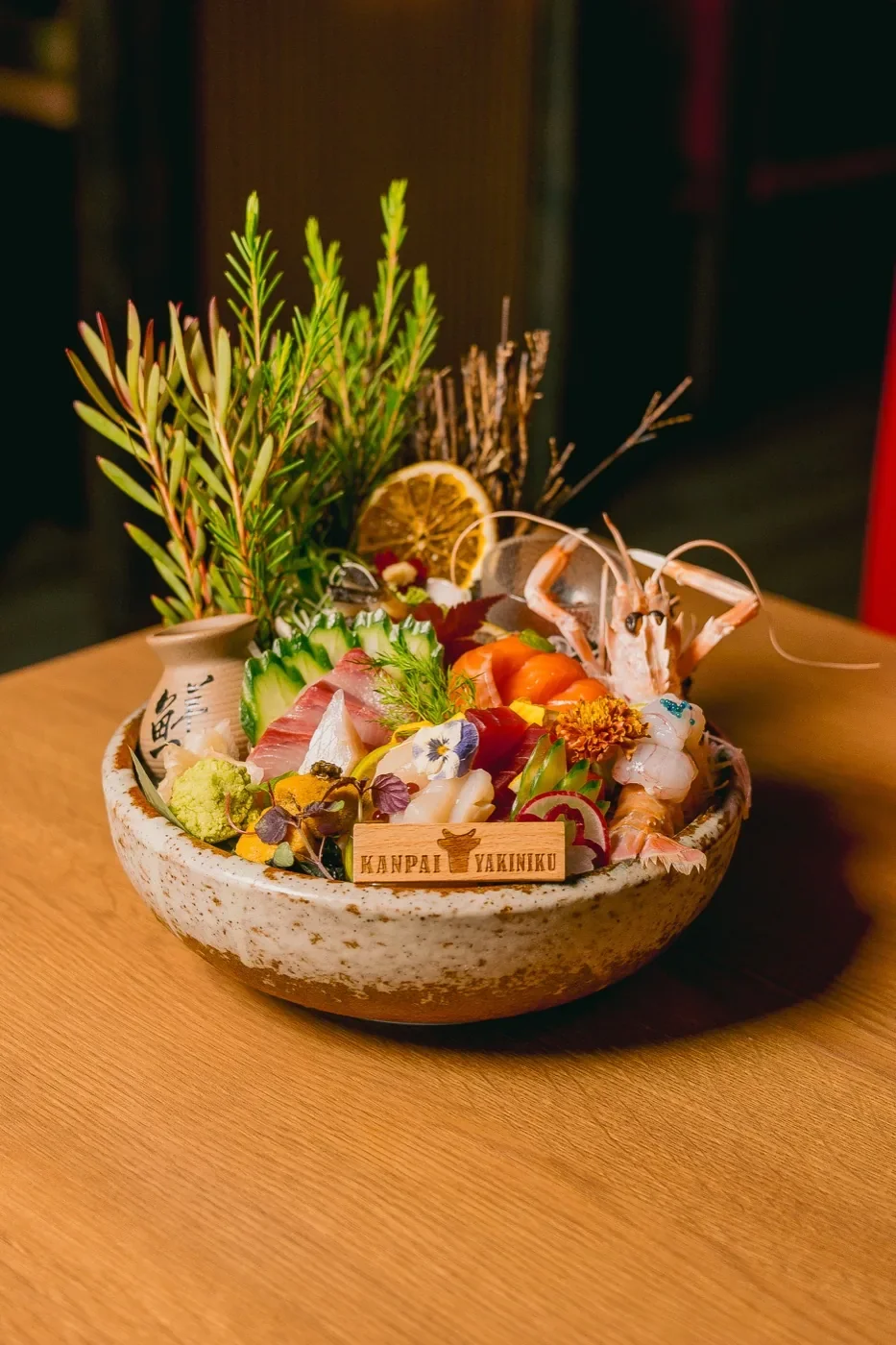
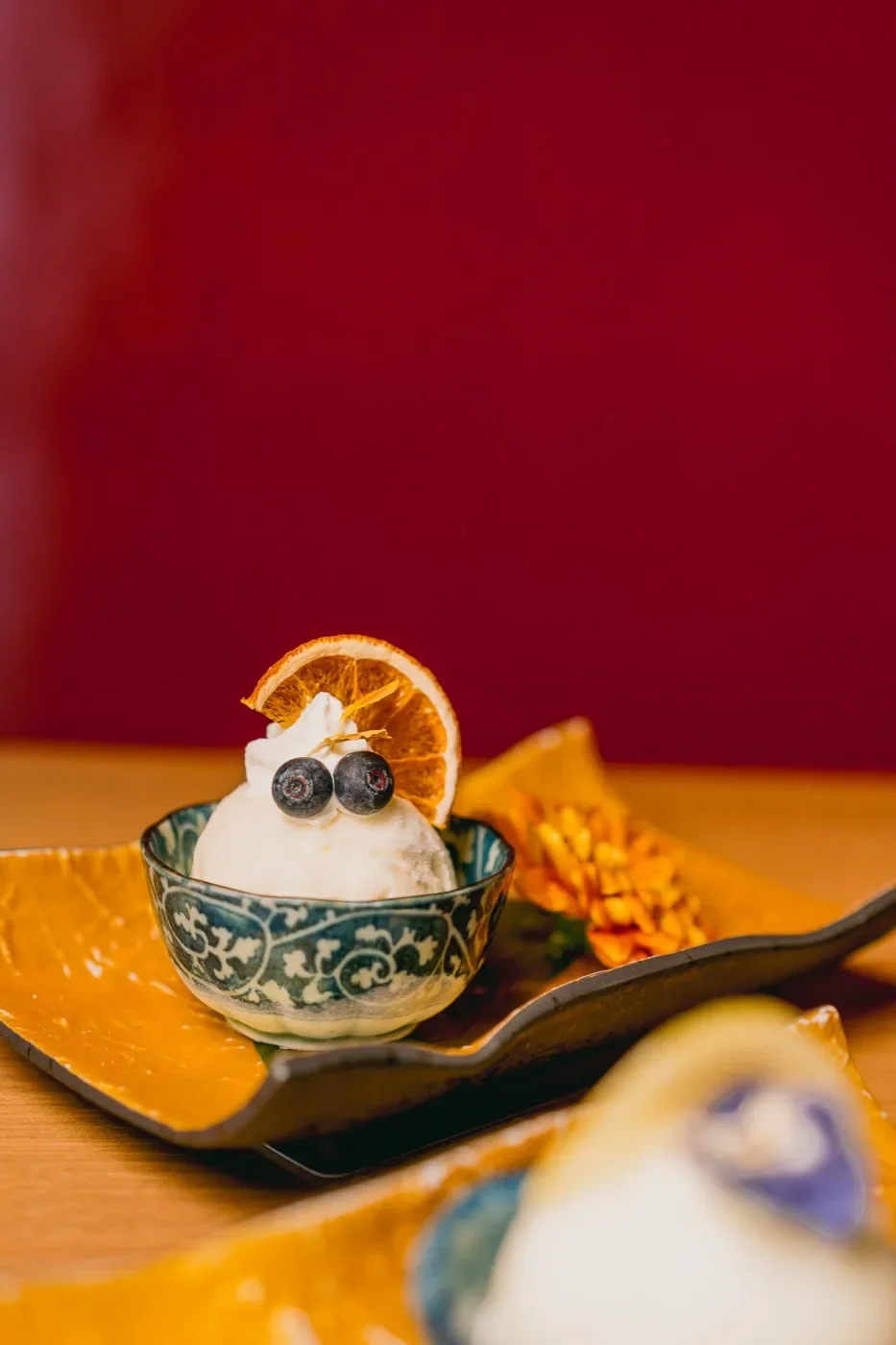
The same visual language, applied across stills — for feed posts, highlight covers, and anything that needs to sit next to the reels and still feel like one brand.


Once the look and the story were locked, we built the operating layer underneath — monthly planning, creative direction, and a delivery system that meant Kanpai didn't need a strategist on staff to stay consistent. Less guesswork for them, less rebuilding from scratch for us.
But the bigger shift wasn't in the numbers. It was that the page finally felt like the room — the same warmth, the same precision, before anyone sits down.
Good content isn't enough for a brand like Kanpai — it has to earn the price point. We translated what makes the experience worth seeking out into a system that looks, sounds, and moves the same way the food is cooked: with intention.